
Why Postpartum Anxiety Is a Physical Nervous System Alarm?
Racing thoughts and sudden feelings of panic after childbirth are not always just ordinary worry. Major hormonal changes and broken sleep can affect how your brain and body respond to stress. When you are constantly waking to care for your baby, your nervous system may struggle to settle, leaving you feeling on edge, overwhelmed, or unable to relax—even when everything seems fine.
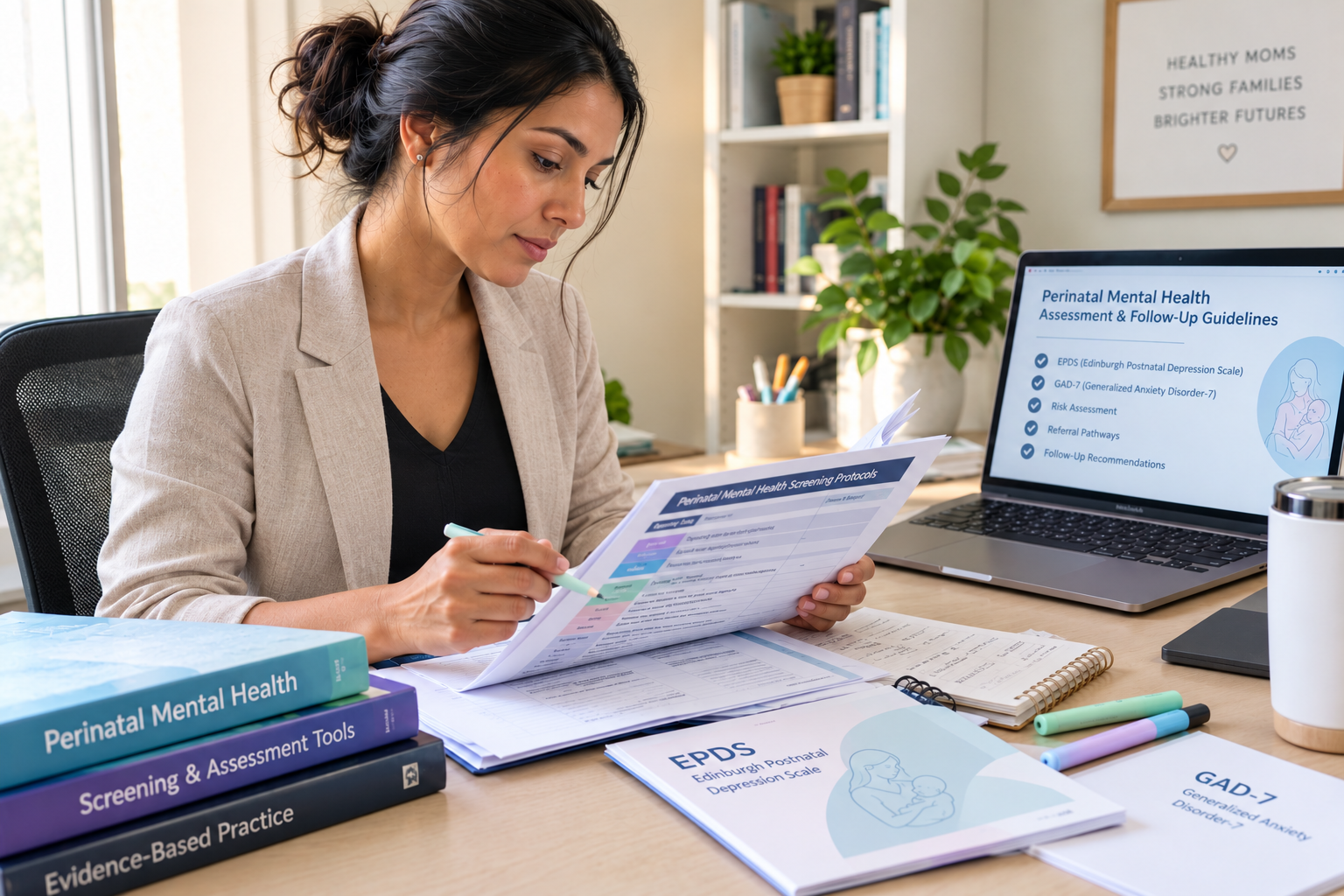
The Perinatal Screening Timeline: Why Tracking Matters Up to 1 Year Postpartum
Perinatal mood and anxiety disorders can develop at any time during pregnancy or throughout the first year after childbirth. Symptoms may include persistent sadness, excessive worry, racing thoughts, irritability, or feeling overwhelmed. Learn how evidence-based screening tools can help identify symptoms early, assess their severity, and guide appropriate support and follow-up care.

Adjustment to Parenthood: Beyond the "Learning Curve"
Becoming a parent is a major life transition that takes time, patience, and adjustment. From sleepless nights and feeding worries to changing relationships and moments of self-doubt, the early weeks with a new baby can feel overwhelming. Discover why mixed emotions are a normal part of the parenting journey and how self-compassion, practical support, and realistic expectations can help you navigate this new chapter.

Beyond "Helping with the Baby": What Partners Need to Know About Perinatal Mental Health
Mom’s mental health recovery doesn’t happen in isolation, it is shaped by the support she receives at home. Partners and family members can play an vital role by helping out for uninterrupted sleep, sharing baby care and household responsibilities, and recognizing early signs of emotional distress. Learn practical ways to support a mom’s recovery, create a safe, caring home environment where both mom and baby can thrive.